
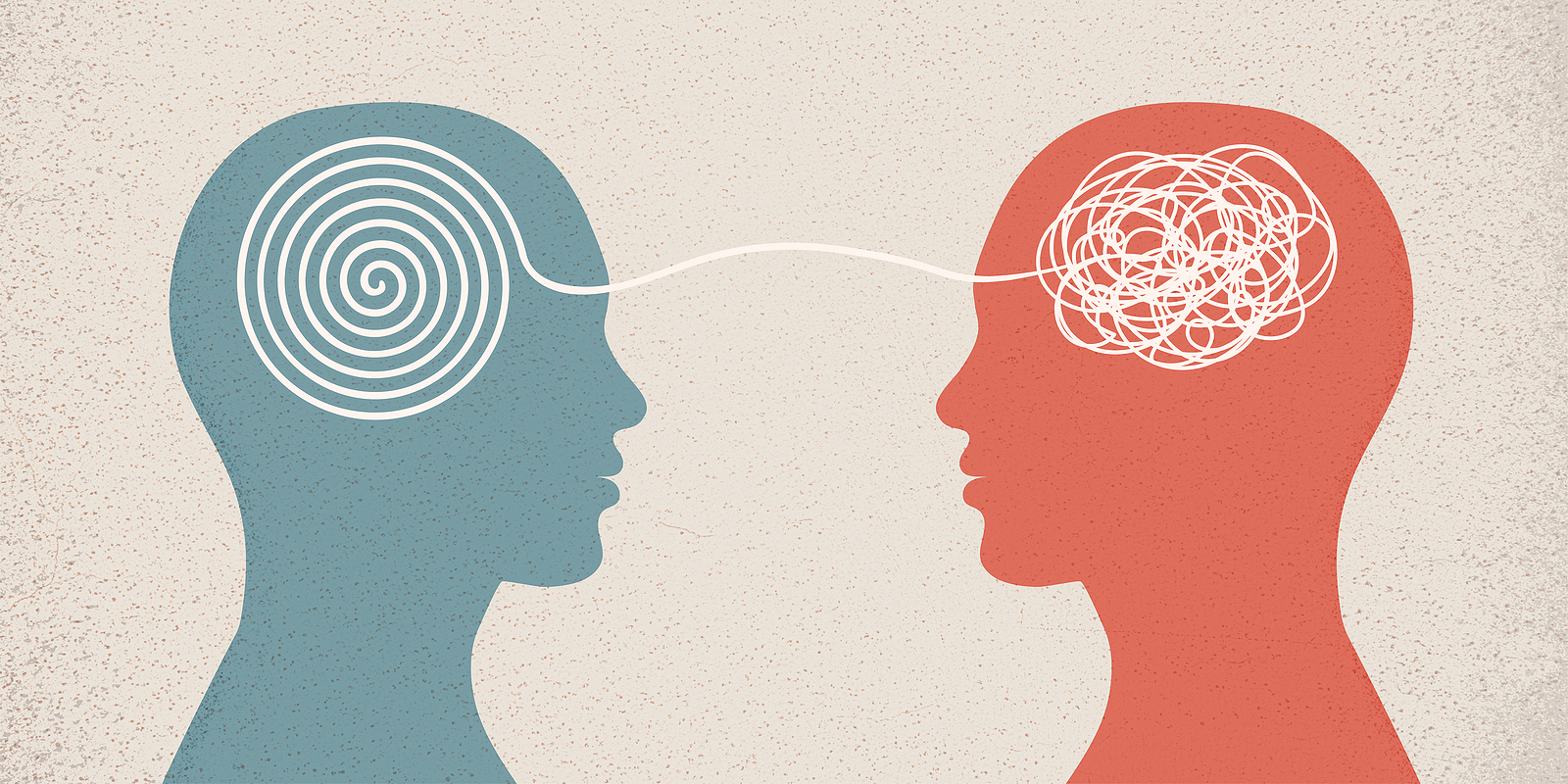
Attention Deficit Hyperactivity Disorder (ADHD) is often thought of as a condition that affects children, but many adults also experience its symptoms. Adults with ADHD may face difficulties in focusing, organizing tasks, managing time, and maintaining relationships. These challenges can affect both personal and professional life. Fortunately, ADHD treatment can help adults manage their symptoms effectively and lead a more productive and balanced life.
Understanding ADHD in Adults
ADHD in adults is not the same as in children. While hyperactivity may be more noticeable in children, adults often experience restlessness, difficulty concentrating, and impulsive behaviors. Adults with ADHD may also struggle with forgetfulness, procrastination, and emotional regulation. These symptoms can make it hard to perform well at work, maintain personal relationships, and manage daily responsibilities. Understanding these challenges is the first step toward effective management.
Role of ADHD Treatment in Symptom Management
ADHD treatment is designed to help adults manage their symptoms and improve daily functioning. Treatment is not just about taking medication; it includes a combination of approaches tailored to each individual’s needs. The goal of ADHD treatment is to reduce the impact of symptoms on life, improve focus, and enhance emotional well-being. Treatment helps adults develop coping strategies, improve organization, and maintain consistency in daily tasks.
Medication as a Key Component
For many adults, medication is a central part of ADHD treatment. Stimulant medications are commonly prescribed and can help increase attention, reduce impulsivity, and improve focus. Non-stimulant medications are also available for those who cannot use stimulants. Medication works by balancing certain chemicals in the brain, which helps regulate attention and behavior. With the right dosage and careful monitoring, medication can significantly reduce the challenges adults face in managing ADHD symptoms.
Behavioral Therapy and Skill Development
In addition to medication, behavioral therapy is an important part of ADHD treatment. Therapy helps adults recognize negative patterns and develop healthier habits. Cognitive-behavioral therapy (CBT) is often used to address procrastination, disorganization, and emotional regulation. Therapy also teaches time management, planning, and problem-solving skills. By learning practical strategies, adults can better manage their daily routines and reduce the stress caused by ADHD symptoms.
Lifestyle Changes and Support Systems
ADHD treatment also emphasizes lifestyle changes and building support systems. Regular exercise, a healthy diet, and adequate sleep can improve focus and reduce hyperactivity. Mindfulness practices and relaxation techniques help manage stress and emotional outbursts. Support from family, friends, and support groups can provide encouragement and accountability. Together, these changes create a stronger foundation for adults to manage their symptoms effectively.
Benefits of Consistent ADHD Treatment
Consistent ADHD treatment offers long-term benefits for adults. It improves concentration, helps maintain routines, and reduces impulsive behavior. Adults often experience better performance at work and school, stronger relationships, and improved self-esteem. Over time, the combination of medication, therapy, lifestyle adjustments, and support helps individuals feel more in control of their lives. It also encourages a sense of accomplishment and reduces the frustration associated with untreated ADHD.
Encouraging Adults to Seek Help
Many adults with ADHD may not realize they have the condition or may feel embarrassed to seek help. Understanding that ADHD is a medical condition, not a personal flaw, is crucial. Early and consistent ADHD treatment can prevent long-term difficulties and improve quality of life. Adults are encouraged to speak with healthcare professionals to get a proper diagnosis and develop a treatment plan suited to their needs.
Conclusion
ADHD treatment helps adults manage symptoms effectively by combining medication, therapy, lifestyle adjustments, and support systems. Treatment is tailored to each individual, focusing on improving attention, organization, and emotional regulation. With consistent treatment, adults can overcome the challenges of ADHD, achieve their goals, and enjoy a more balanced and fulfilling life. Seeking professional help and following a structured treatment plan can make a significant difference in managing ADHD symptoms and enhancing overall well-being.