
Visual content drives today’s digital world. From branding and marketing creatives, to visuals on social media and UX assets Graphic design plays an integral role in how companies communicate. As demand increases, so do concerns over the quality, authenticity, and creative ownership. This trend has led to a new generation of design tools which combine protection and creativity, and graphics design tools called gfxrobotection have become among the top talked about concepts in this area.
Designers aren’t for only tools that can assist them in creating attractive images. They seek solutions that simplify workflows, ensure uniformity, and minimise the possibility of misuse. This article examines how modern tools for protecting design are used, why they are important today, and the reasons why a lot of professionals are taking note of this new method of digital design.
The Evolution of Graphic Design Tools
The software for graphic design has advanced dramatically over the past two decades. The first tools were focused on manual editing, control of layers, and exporting files. With the advent of digital platforms, the need for designers to have quicker workflows, more efficient management of assets, and better output formats with more flexibility.
In recent years, the advancement of automation and artificial intelligence has transformed creative processes. Intelligent ideas for designing layouts, adaptive resizing, as well as intelligent colour matching are now standard features. Additionally, online platforms have made it much easier for designs to be reused, copied or altered without authorisation. This has forced the industry to think about how creative assets are managed when they are released.
Instead of relying on visible watermarks or legal claims Modern solutions aim to incorporate protection directly within design documents. These are where the latest technologies are in play, combining the power of creativity with security built in.
Understanding the Core Idea Behind GFXRobotection
The basic idea behind the software for graphic design, gfxrobotection, revolves around two main goals, which are: effective design creation as well as intelligent protection. Instead of thinking of security as an independent process, this strategy integrates protection elements in the design workflow.
Designers are able to focus on their creativity while the system functions in the background, preserving the originality and authorship. This reduces friction, particularly for agencies, freelancers and companies that handle huge amounts of visual content.
Contrary to conventional tools that rely on plugins from outside and manual procedures, this model insists on consistency, automation, and long-term asset management.
Why Design Protection Matters More Than Ever
This digital world has altered the way that designs are distributed and consumed. A single image can move through multiple platforms within minutes. While this is a great benefit, it increases the chance of misuse.
Design protection is essential because:
- Creative assets are the result of time, skills and intellectual effort
- Reuse without authorisation can damage the brand’s image
- Customers expect authenticity and transparency.
- Ownership disputes can stall projects and campaigns
Designers are often able to spot misuse years after the damage has been caused. By incorporating protections at the time of creation, modern tools can help minimise the risk and offer clear ownership trace trails.
How Modern Design Protection Works
Instead of relying on the appearance of marks, modern systems employ subtle and sophisticated methods to secure assets. This could include:
- Metadata embedded that is stored in the creator data
- Invisible identifiers that are not lost after compression or resizing
- Smart tagging that monitors the usage of assets across different platforms
The objective isn’t to limit creativity, but rather to encourage it through enhancing confidence. Designers are able to share their work more freely, knowing that their assets are secure and traceable.
This also allows collaboration. Teams can work together on projects without losing control of the final ownership of the project or any version history.
The Role of Automation and AI in Design Workflows
Automation is now a major component in the latest creative tools. From resizing images to adapting layouts to various types of platforms, AI aids designers in working more quickly without compromising quality.
About graphic design software like gfxrobotection Automation is a great tool to support both creativity and protection. Intelligent systems are able to apply uniform branding elements, keep standards for design, and even attach layers of protection automatically.
This decreases the need for routine tasks and allows designers to concentrate on strategy, storytelling and impact on the visual rather than technical issues.
Who Benefits Most From This Design Approach
While the concept can be applied to all kinds of designs, certain groups are more directly benefited from integrated design protection.
Freelance Designers
Independent designers frequently share drafts and final designs with many clients. Protective features help identify the owner and prevent abuse.
Creative Agencies
Agencies manage large design libraries across campaigns. The constant protection of brand assets ensures they remain in control and traceable.
Digital Marketers
Marketing teams depend on a consistent visual appearance across platforms. Automated protection ensures brand integrity across all platforms.
Content Creators
Artists who publish online images can ensure the integrity of original art while still allowing for audience exposure.
Real-World Applications in Everyday Design Work
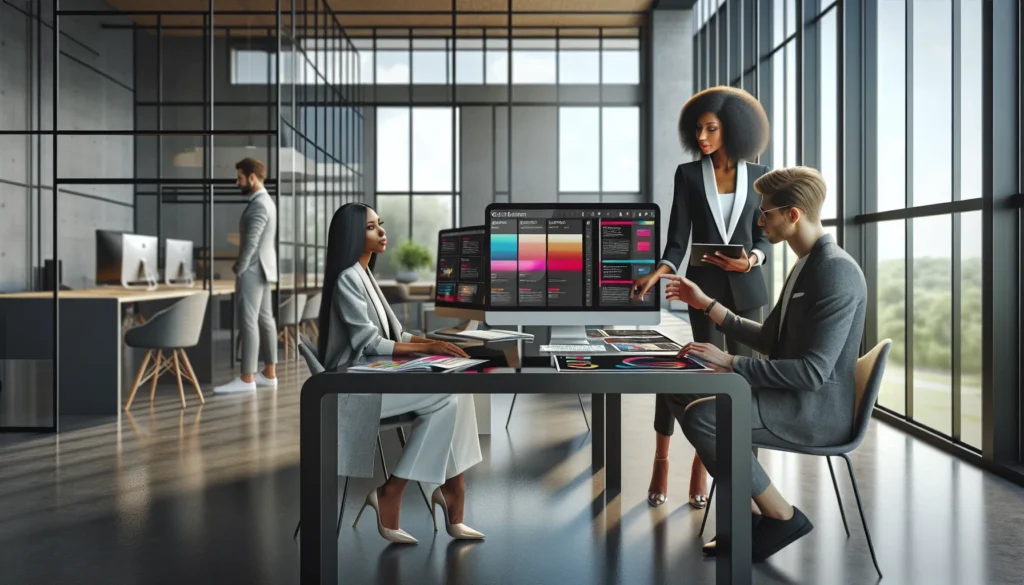
This approach is not restricted to large-scale projects. It is a natural fit for everyday tasks of design, like:
- Making social media-related graphics
- Brand kits and logos.
- Making banners and ad creatives
- The development of UI elements for mobile and websites
In the incorporation of protection into those workflows, artists can reduce the need for post-production modifications and legal follow-ups.
Improving Client Trust and Professional Credibility
Customers value transparency and trustworthiness. If designers can show that their work has built-in security measures, it increases confidence. Clients are more comfortable with the use of and distribution of assets because they know there is a clear ownership system in place.
Designers are also seen as professionals who can tackle the modern-day problems, not just the aesthetics. As time passes, this trust will lead to repeat business and more productive collaborations.
Addressing Common Misconceptions
Certain designers are concerned that the added protection can hinder creativity or decrease the visual quality. Modern devices are designed to function silently in the background. The visual output is unchanged while the protection components remain in place and unnoticed.
Another myth is that these tools are reserved for large corporations. However, individuals who create are often more vulnerable due to the lack of legal resources. Integrated protection level plays on a level playing field.
The Future of Design and Digital Ownership
As the digital content industry grows, the ownership and quality of content will be the most important issues. The future of tools for design is seamless integration, where creativity, automation and security can exist without hassle.
Concepts such as the graphic design software gfxrobotection represent a wider change in the way designers approach their work. It’s not just about creating something visually appealing; it’s about taking care of its lifecycle.
We can anticipate further innovations in this field, including smarter tracking, more effective collaboration tools, and more connections to publishing platforms.
Best Practices for Designers Adopting This Approach
Designers who want to get the most out of protected workflows must:
- Make sure that branding elements are consistent
- Make sure that the creator’s information is updated in design metadata
- Make use of platforms-optimised exports
- Inform clients about the use of asset rules
These simple habits, when combined with modern technology, can dramatically reduce the risk of creativity.
Why This Concept Is Gaining Attention
The increasing popularity of graphic design software like Gfxrobotection isn’t an accident. It’s a real-world issue that designers face across all industries. As content that is visual becomes more valuable, protecting it is an essential aspect.
Designers who are able to adapt quickly have an advantage. They are more efficient, secure their output and position themselves as experts who are forward-thinking in a highly competitive marketplace.
Final Thoughts
The field of design is advancing beyond simple design. Automation, protection and accountability are becoming important elements of the process of creating. Through embracing integrated solutions, designers can concentrate on their strengths while making sure their work remains safe. Software for graphic design, Gfxrobotection, is a modern approach to design, one in which protection and creativity work together, and not apart. For designers who appreciate innovation as well as efficiency, this strategy provides clarity, trust and long-term value. Click on my site for more information